
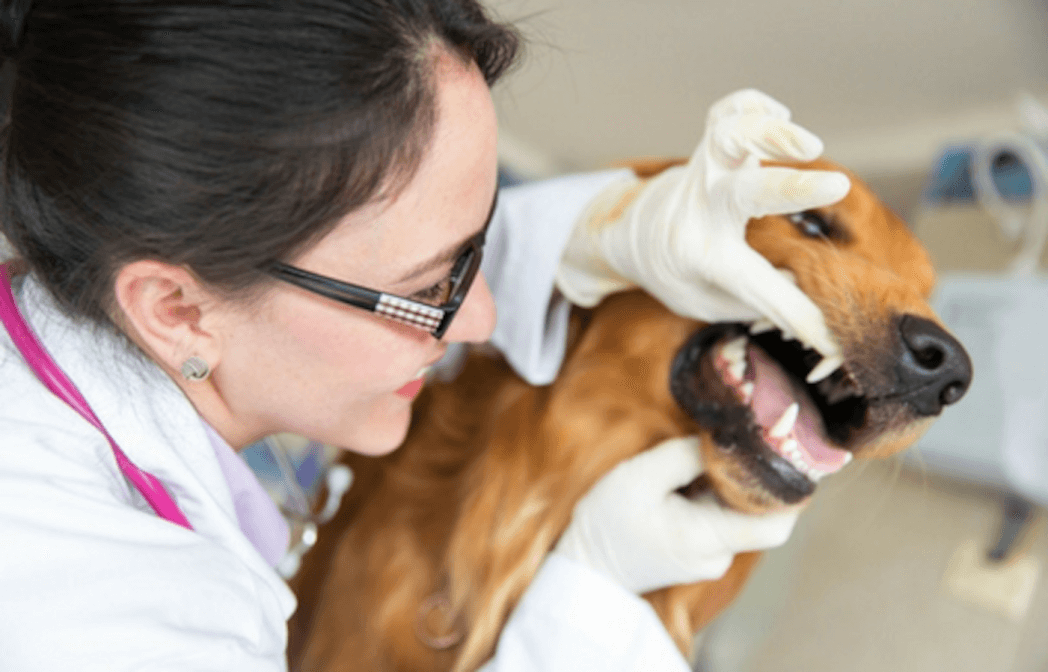
That foul odor coming from your dog or cat’s mouth could be more than a nuisance; it may be a sign of dental disease, one of the most common and overlooked health conditions in pets. During National Pet Dental Health Month this February, the American Veterinary Medical Association (AVMA) is urging pet owners to prioritize their pets’ oral health.
Periodontal disease affects nearly 80% of dogs and 70% of cats by the age of three, often lurking below the gumline where it can cause infection, tooth loss, and systemic inflammation in the body, not to mention oral pain.
“ Dental disease doesn’t just cause bad breath—it causes real pain and serious health problems for our pets,” said Dr. Michael Q. Bailey, president of the AVMA. “The good news is that, while it’s one of the most common problems we see in pets, it’s also one of the most preventable. By taking preventive steps now, pet owners can protect their pet’s overall health and avoid larger veterinary bills down the road.”
While keeping up with exams and regular brushing, pet owners should also have their pet’s teeth checked if they observe any of the following problems:
- Bad breath
- Broken or loose teeth
- Extra teeth or retained baby teeth
- Teeth that are discolored or covered in tartar
- Abnormal chewing, drooling, or dropping food from the mouth
- Reduced appetite or refusal to eat
- Pain in or around the mouth
- Bleeding from the mouth
- Swelling in the areas surrounding the mouth
“It’s so important to keep up with your pet’s oral health exams and cleanings,” said Dr. Susan Crowder, president-elect of the American Veterinary Dental College. “Treating periodontal disease can have an immediate positive impact on your pet’s wellbeing and quality of life.”
Prevention pays off
Regular dental cleaning and toothbrushing not only improve health but also save money. A 2013 analysis by Veterinary Pet Insurance Co. (VPI) found that the average cost of preventive dental care was about one-third that of treating preventable dental disease after it had developed.
“Preventive care, like dental cleanings and home tooth brushing, is a simple step that can improve your pet’s quality of life and reduce long-term healthcare costs,” Dr. Bailey said.

Pet dental care at home
Although daily toothbrushing is advised for dogs and cats, a study published in the Journal of Veterinary Dentistry found that only 2% of dog owners follow through with this practice. Pet owners should work with their veterinarians to begin a pet dental care routine at home, in addition to regular dental exams and professional dental cleaning.
To help pet owners improve their home dental care and protect their pets against dental disease and related problems, the AVMA has developed a video—Home dental care for your pet—that includes tips on making your dog or cat comfortable with tooth brushing as a regular routine.
Professional cleanings: What to expect
Pet dental visits begin with an oral exam of your pet’s mouth by a veterinarian. Radiographs (X-rays) may be needed to evaluate the health of the jaw and the tooth roots below the gum line. Because most dental disease occurs unseen below the gumline, a thorough dental cleaning and evaluation are performed under anesthesia. Dental cleaning includes scaling to remove dental plaque and tartar, followed by polishing, much like the cleaning you receive during your regular dental visits.
After the exam, your veterinarian will make recommendations based on your pet’s overall health and the health of your pet’s teeth, and provide you with options to consider. Talk with your veterinarian about any dental products, treats, or dental-specific diets you’re considering for your pet, and ask your veterinarian for their recommendations.
The AVMA video Pet dental cleanings: What to expect offers a step-by-step overview of what a veterinary dental cleaning entails.
Why does dentistry require anesthesia?
No matter how smart they are, our pets don’t understand the benefits of dental procedures and may react by moving, trying to escape, or even biting. Anesthesia enables veterinarians to perform dental procedures with less stress and pain for pets and to clean below the gumline, where most dental disease occurs. If radiographs are needed, pets need to be very still to get good images, and this is unlikely without heavy sedation or anesthesia.
Most pets can go home the same day the procedure is completed, although they might be a little more sedate for the rest of the day.
“Anesthesia today is safer than ever, and it enables us to perform our work without causing distress or pain for your pet,” said Dr. Bailey. “If you’re concerned about cost, talk to your veterinarian. There may be financing options or pet insurance plans that can help.”
To learn more about dental care for pets, visit avma.org/PetDental. The AVDC has pet owner resources available at avdc.org. For helpful guidance on fighting periodontal disease, visit VOHC.org.
Source: AVMA News Release